The Invisible Waste Around Us – What is it and How to Reduce it
When we think about waste, we often picture the things we can see: an overflowing trash can, a pile of cardboard, an old appliance, or plastic headed for the landfill. But some of the biggest environmental impacts around us are much harder to see.
Everyday choices can contribute to carbon emissions, microplastic pollution, wasted resources, and other environmental impacts that don’t always show up in the bins. The good news is that understanding these hidden forms of waste can help us make more informed choices!
What Is a Carbon Footprint?
A carbon footprint is the amount of greenhouse gas emissions associated with an activity, product, person, or organization. These emissions can come from things like transportation, electricity use, manufacturing, food production, and the disposal of products.
For example, buying a new piece of furniture doesn’t just create waste when that furniture eventually reaches the end of its life. Resources were used to manufacture it, energy was used to transport it, and packaging may have been used along the way. Overconsumption results in a higher carbon footprint, which is why it is critical to shop mindfully and sustainably whenever possible.
Microplastics: Tiny Pieces Causing Big Problems
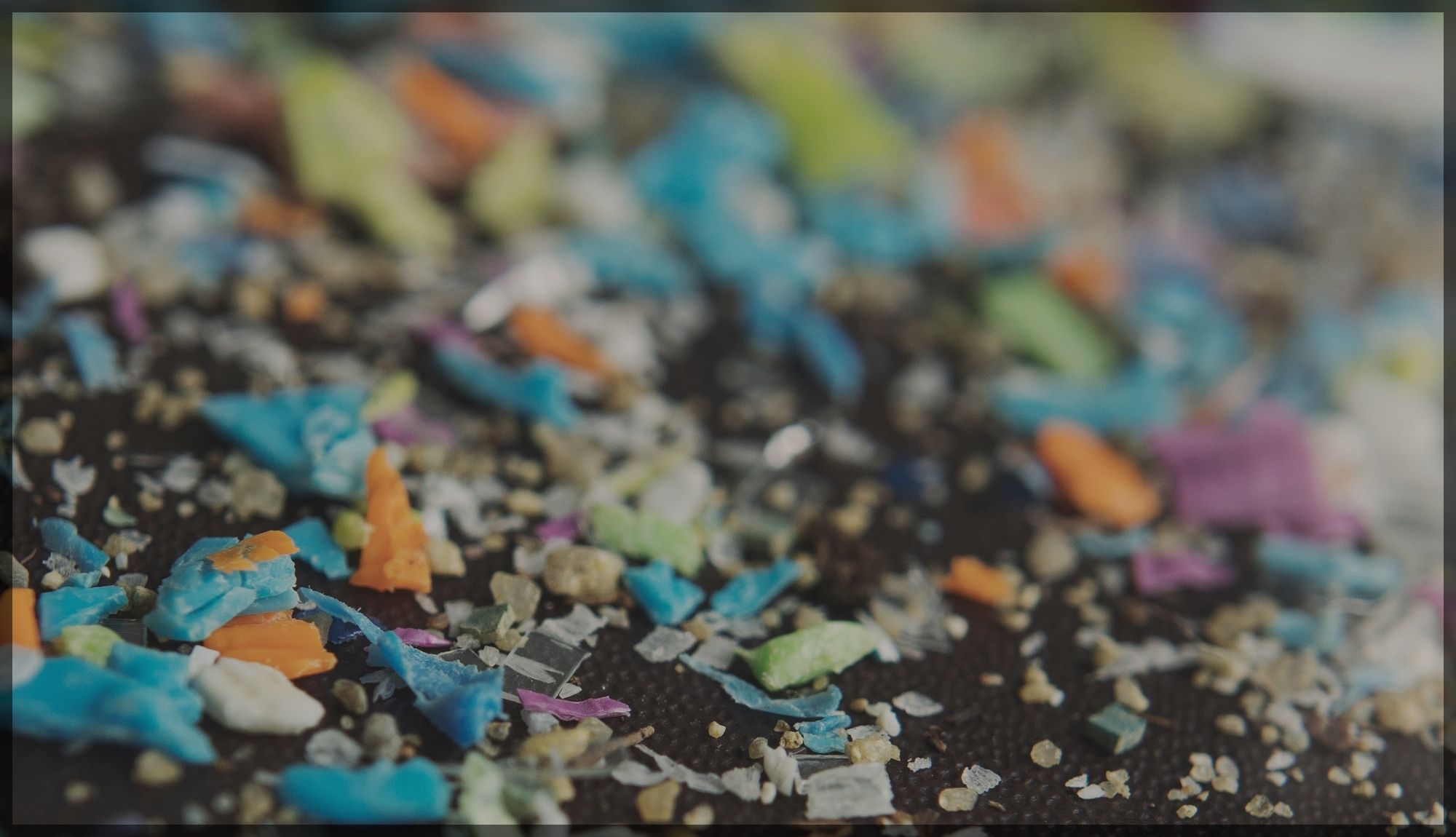
Microplastics are tiny pieces of plastic that are created when larger plastic items break down over time. However, they can also be released through everyday activities and the wear and tear of common products. Because microplastics are so small, they can spread easily through the environment and are difficult to remove once they enter our soil and waterways.
Properly managing waste is one way to help reduce plastic pollution. One often-overlooked source is vehicle tires. At BARC, we host several tire recycling events throughout the year, giving community members opportunities to responsibly dispose of unwanted tires and keep them out of the environment. By taking advantage of these events and making thoughtful choices about the products we use and discard, we can all play a part in reducing waste and protecting our local environment.
While we can’t eliminate every source of microplastic pollution from our lives, we can take steps to reduce unnecessary plastic use. Choosing durable products, avoiding unnecessary single-use plastics, caring for clothing so it lasts longer, and properly disposing of unwanted items are all small ways to help.
Recycling Is Important, But It’s Not the Whole Picture
Recycling plays an important role in keeping valuable materials out of landfills and putting those materials back into circulation. But waste reduction starts even earlier. The reduce, reuse, recycle hierarchy is a helpful reminder that recycling is often the last solution:
- Reduce: Buy only what you need and choose durable products that are built to last.
- Reuse: Donate, repair, repurpose, share, or shop for used items whenever possible.
- Recycle: When an item has reached the end of its useful life, recycle it properly when a recycling option is available.
Thinking about the entire life of a product can help us move beyond simply asking, “Can this be recycled?” and start asking, “Do I need this in the first place?” or “Can someone else use it?”
Small Changes Can Add Up
It’s easy to feel overwhelmed when we think about problems like climate change and plastic pollution. Individual choices won’t solve these issues on their own, but they are still meaningful. The next time you are about to throw something away, take a second look. Could it be reused? Repaired? Donated? Recycled?
At BARC, we believe that small, practical choices can make a difference. By reducing what we consume, reusing what we already have, and recycling materials whenever possible, we can help conserve resources and keep useful items in circulation.
The environmental impact of our everyday choices may not always be visible, but that doesn’t mean it isn’t there. Being more mindful of what we buy, use, and throw away is a simple place to start!